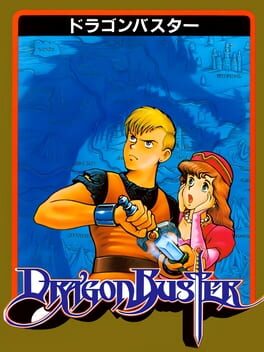
Dragon Buster
"A 1984 arcade platformer with action RPG elements, Dragon Buster is notable as the first game to feature a double jump."
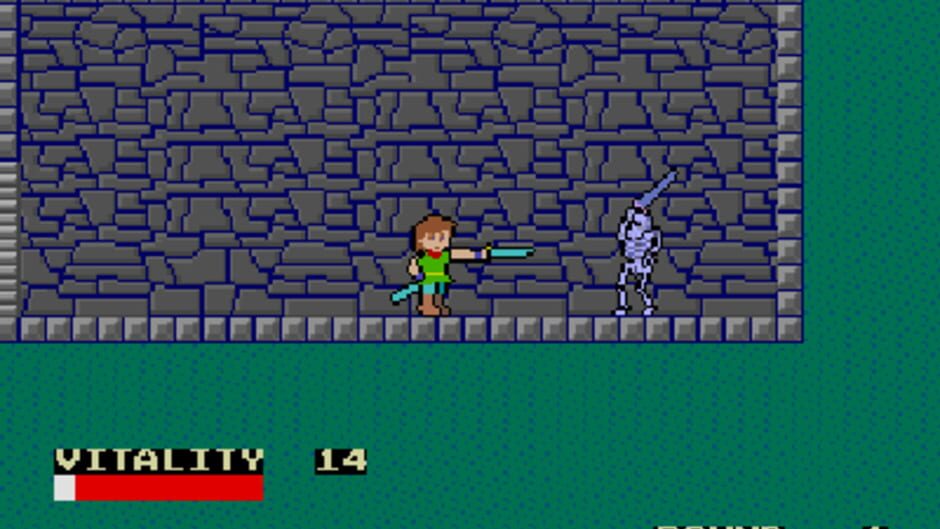
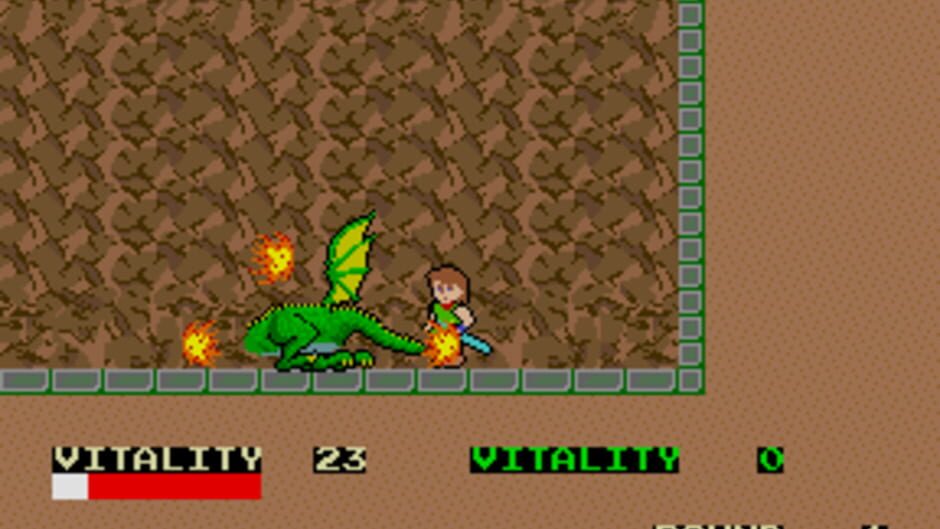
A 1984 arcade platformer with action RPG elements, Dragon Buster is notable as the first game to feature a double jump. It was also one of the first games to include a life meter (along with Flash Boy and Punch-Out), known as vitality in this game. The game featured side-scrolling platform gameplay and a hub "world view" map similar to the later Super Mario Bros. series. It also featured hack & slash combat, like the later Tritorn and Legend of Zelda series. Dragon Buster was developed and published by Namco. The game is a side-scrolling dungeon crawler, where the goal of the game is for the hero, Clovis, to rescue Princess Celia. Dragon Buster was later ported to a variety of home consoles, notably the Nintendo Entertainment System and the MSX. It runs on Namco Pac-Land hardware, modified to support vertical scrolling
Released 31 December 1985 for Arcade, Family Computer, MSX and Sharp X68000 by Namco, published by Bandai Namco Games and Namco Bandai Games. Rated A by CERO.
Dragon Buster screenshots

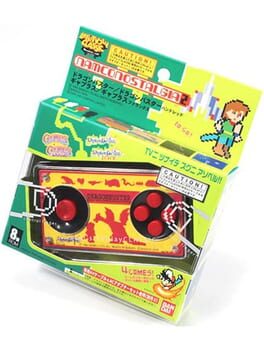
Other versions of Dragon Buster






Games like Dragon Buster








More from Namco




Dragon Buster trailer and videos

Dragon Buster screenshots
Artwork & Box Art